← All projectsCase study · 03

Sacith Lab

A bilingual luxury showcase for a patented, height-adjustable stool, designed in Figma and built to feel as refined as the product it presents.

Role

Full Stack Developer & UI/UX Designer

Type

Sacith S.r.l.

Year

2025

Category

Web Development

HTMLPHPTailwind CSSFigmaJavaScriptMySQLAOS.jsSwiper.jsAruba Linux
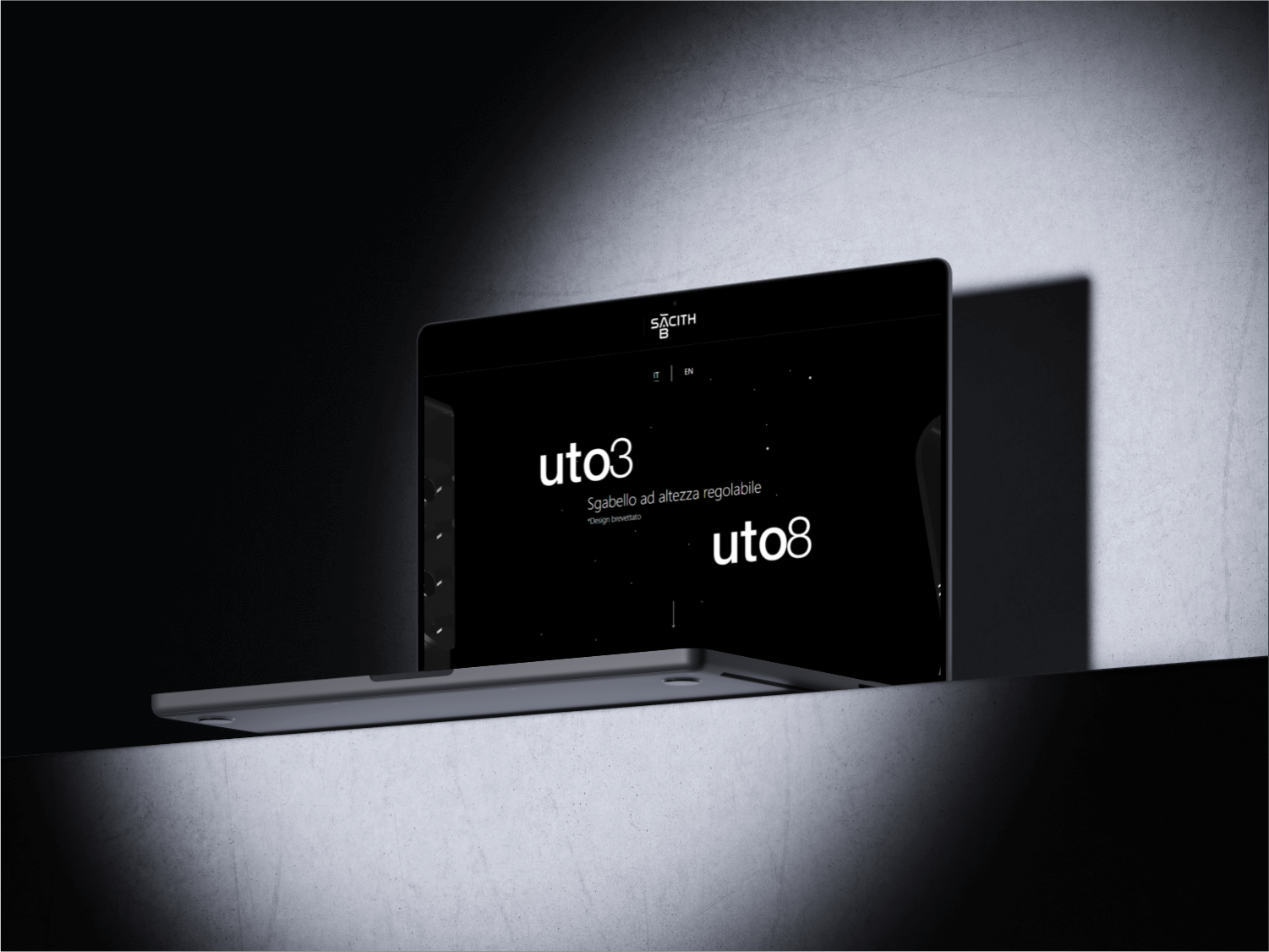
Sacith Lab website shown on a laptop mockup
Overview

Sacith Lab's website was conceived as a luxury product showcase, emphasizing modernity, elegance and the innovative design of the stool.

The site merges visual storytelling with technical precision, creating an immersive experience for both Italian and English-speaking users.

From Figma prototypes to implementation, the platform was built to highlight the product's aesthetics while ensuring accessibility, performance and a seamless user experience.

The challenge

The client wanted a website that positioned the stool as a high-end design object, reflecting both craftsmanship and modern luxury. The challenge was to balance minimalist design with rich visual content and smooth interactivity, without compromising load speed or usability.

01

A bilingual experience, Italian and English, with content that stays easy to maintain

02

A visually rich yet minimalist design, optimized for performance and mobile-first access

03

Smooth animations and carousels that never slow the page down

Process

How it came together

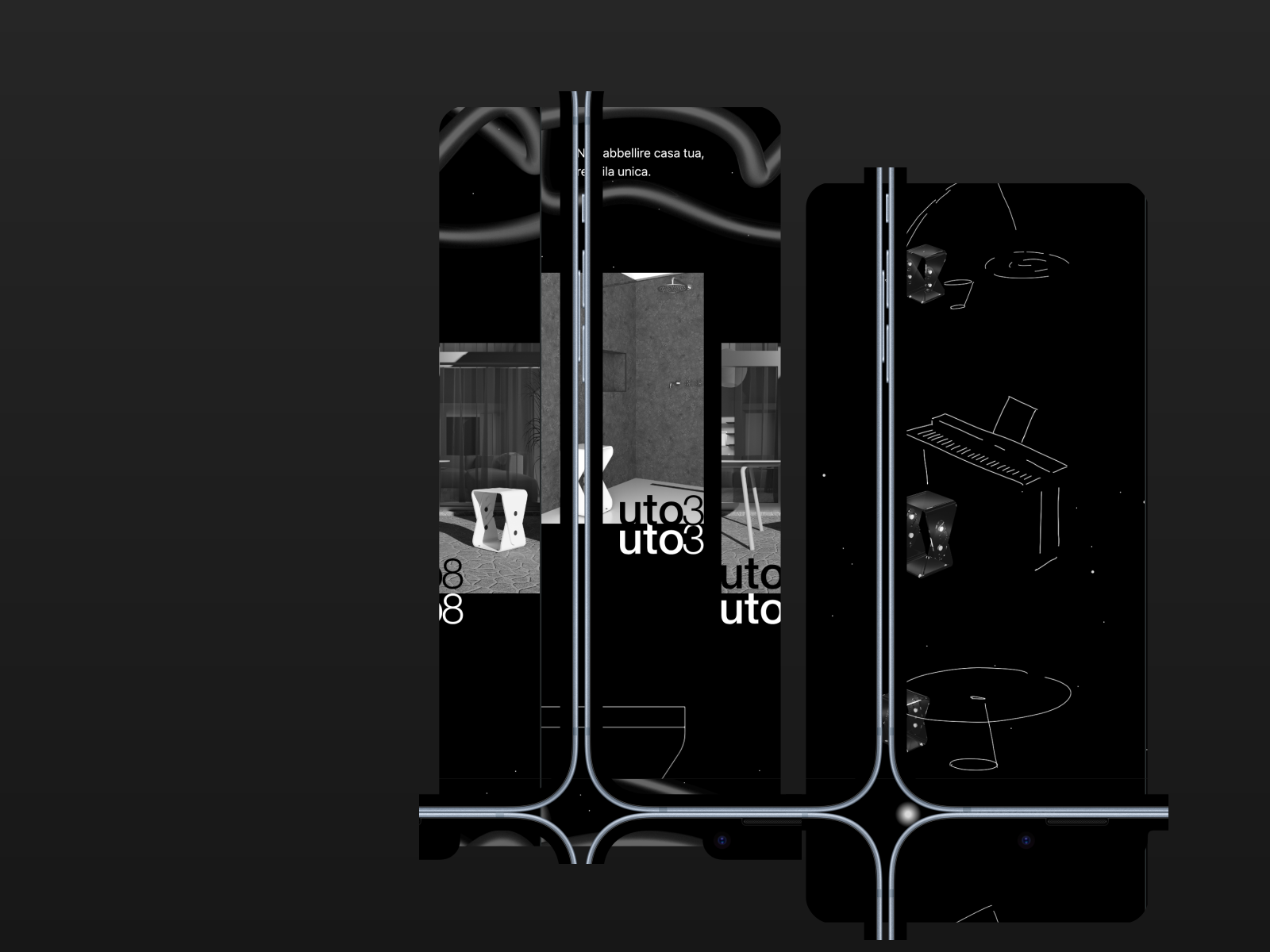
Sacith Lab mobile screens
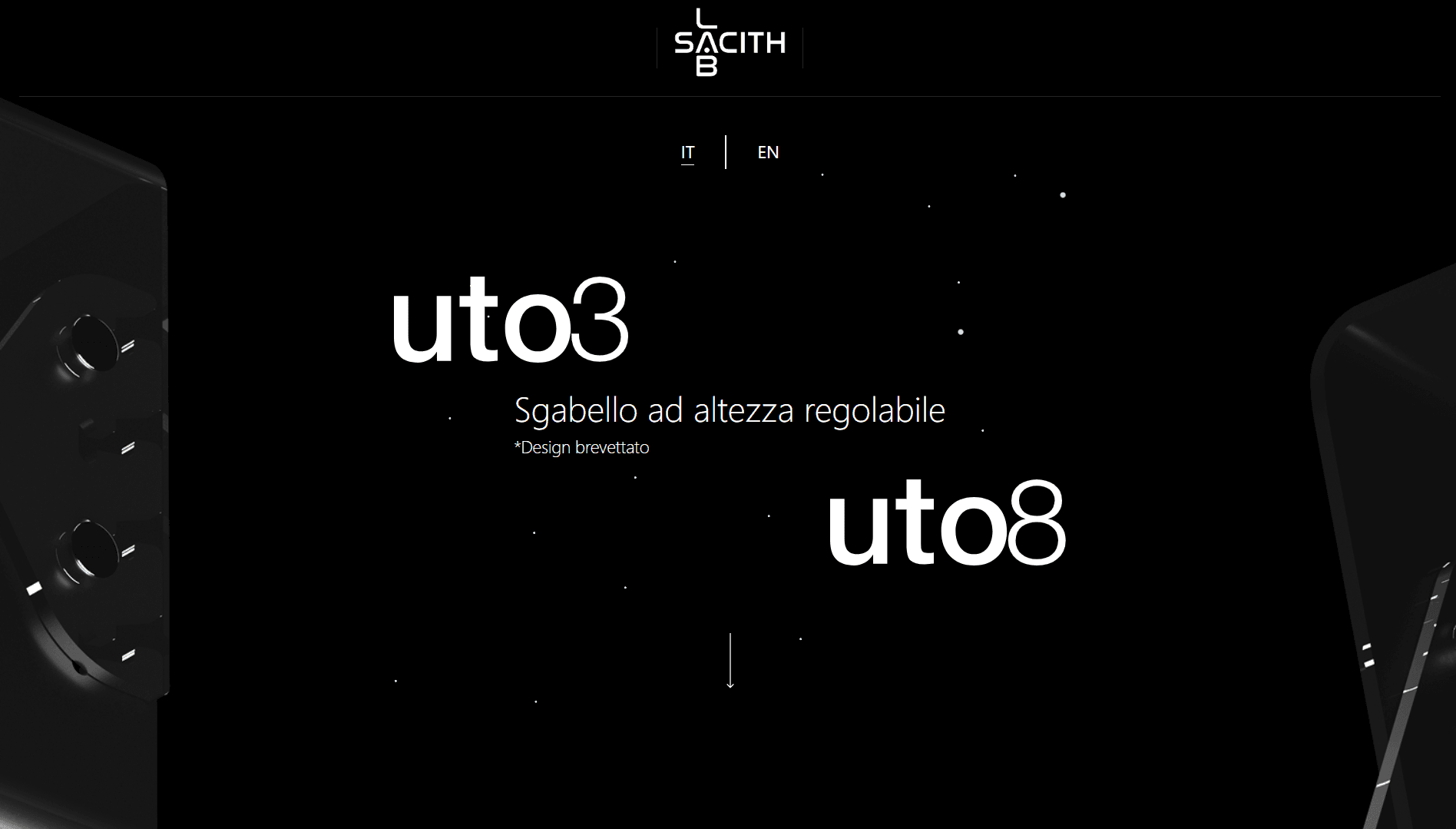
Sacith Lab homepage with the Italian and English language switch
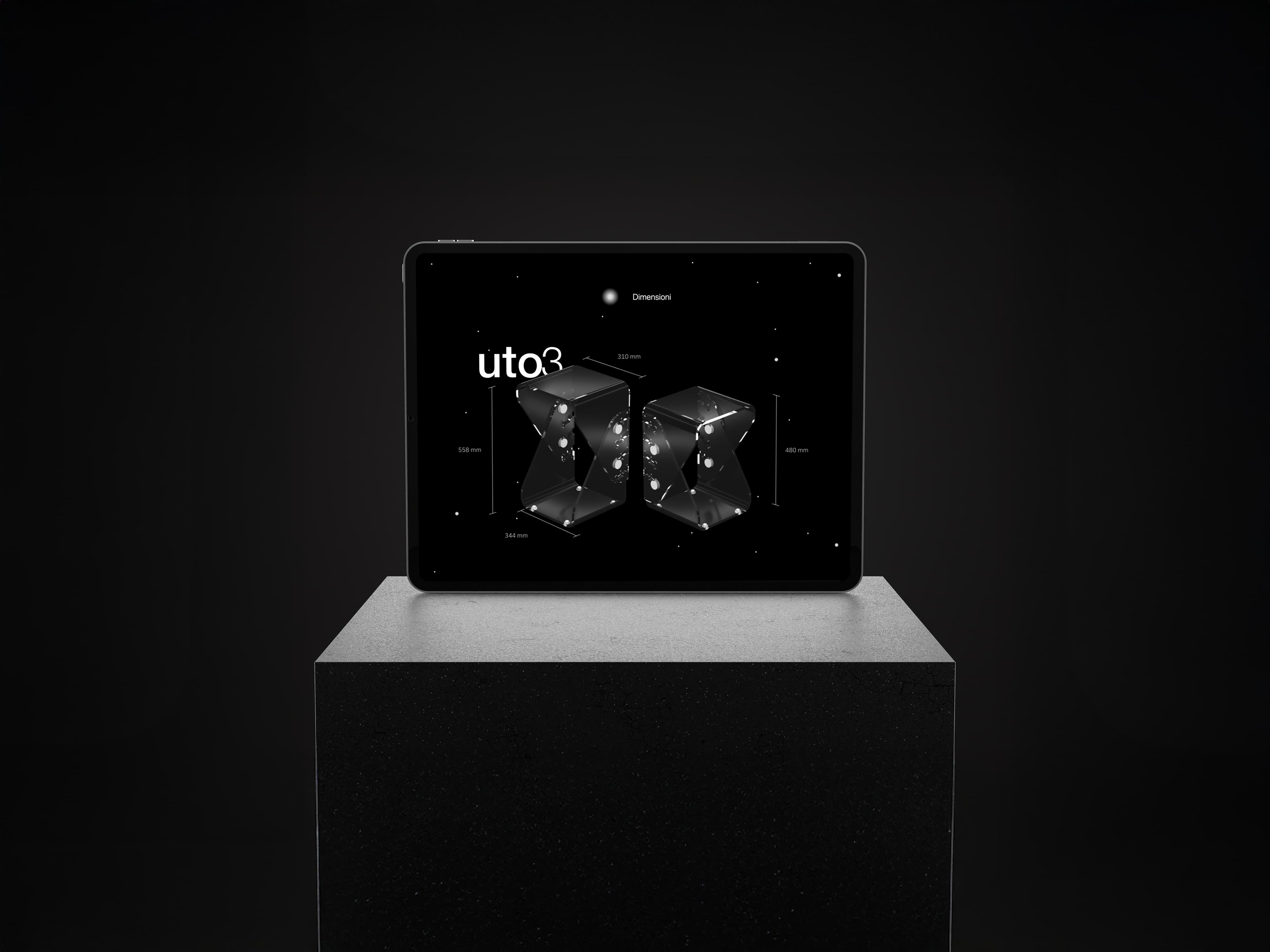
Sacith Lab dimensions section on a tablet
01

UI/UX design in Figma

A complete design system and high-fidelity prototypes were created in Figma to ensure a visually appealing and cohesive interface: balanced typography, refined visual hierarchy and smooth transitions, all chosen to evoke sophistication and modern elegance.

02

Bilingual content on a modular PHP base

The backend runs on PHP and MySQL, powering content and modular page routing. Italian and English copy lives in JSON translation files, so switching language is seamless and adding a new one is a matter of adding a file.

03

Motion, performance and deployment

HTML5, Tailwind CSS and vanilla JavaScript, with AOS.js and Swiper.js for scroll effects and carousels that present the stool as a luxury design object. The site is hosted on Aruba Linux via cPanel, updated through Git and FTP, and optimized with WebP images, caching and accessibility best practices.

Key decisions

Choices that shaped the product

JSON translation files for two languages

Why

Italian and English content managed via JSON files keeps translations side by side, easy to edit and scalable to new languages.

Trade-off

Copy changes still go through a developer, since there is no editor interface.

Vanilla JavaScript with AOS.js and Swiper.js

Why

A showcase needs motion, not application state. Two small libraries deliver scroll effects and carousels without the weight of a framework.

Trade-off

Less structure to lean on if the site grows into something more interactive.

Aruba Linux hosting with cPanel, Git and FTP

Why

PHP and MySQL run natively on the client's hosting, and updates ship through Git and FTP with no extra infrastructure.

Trade-off

Deployments are manual, so every release needs care and a checklist.

Results

What changed

IT · EN

A bilingual site that positions the stool as a premium design product

WebP

Optimized images and caching keep the visual-heavy pages fast and responsive

Scalable

A platform ready for future products and enhancements, shaped with the client at every round of feedback

Gallery
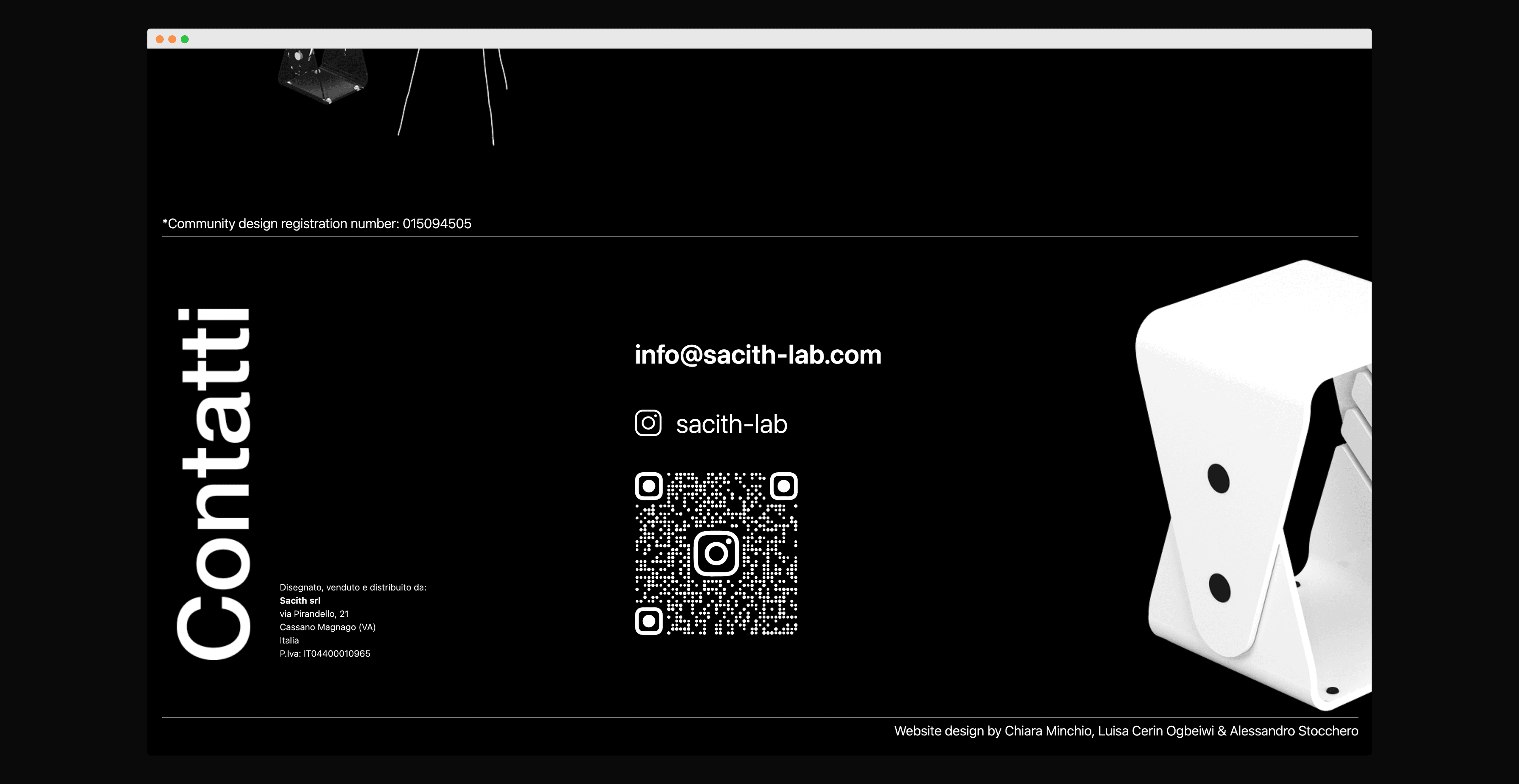
Sacith Lab contacts section
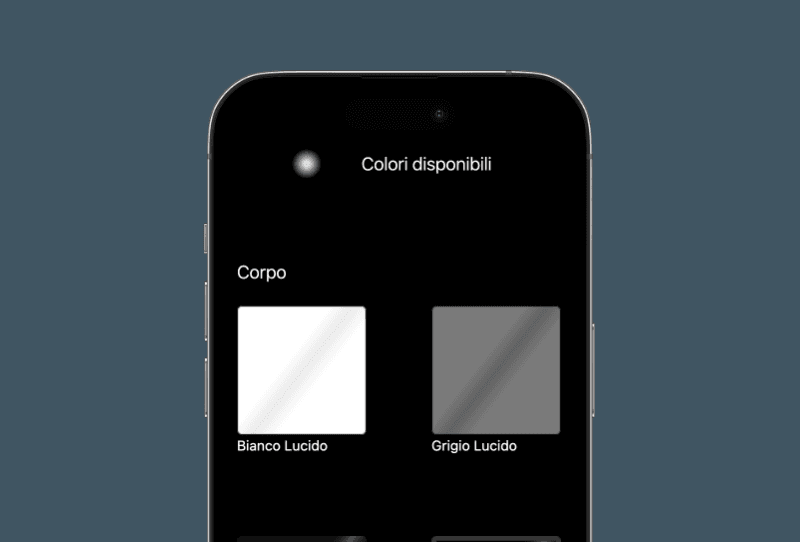
Available colours section on mobile
What I learned

This project deepened my understanding of high-end digital design and internationalization, combining visual storytelling with performance and usability. It strengthened my skills in designing visually driven websites that balance aesthetics with performance.

Managing bilingual content with JSON translation files gave me a maintainable approach to internationalization, and turning Figma designs into responsive, elegant interfaces sharpened my design-to-implementation workflow.

Working closely with the client, staying receptive to feedback and improving iteratively, made the collaboration as much a part of the result as the code.